Wenhao Yang
Assistant Professor, Lamar University
About me
Dr. Wenhao Yang is an Assistant Professor in the Department of Industrial and Systems Engineering at Lamar University, where he joined in Fall 2024. His research focuses on the integration of Augmented Reality (AR), Virtual Reality (VR), and Mixed Reality (MR) with robotics and industrial systems, with particular emphasis on human-robot interaction, immersive training environments, and resilient system design.
He received his Ph.D. in the Depsrtment of Industrial and Systems Engineering from Rochester Institute of Technology (RIT) in 2023. His work spans interdisciplinary areas including advanced manufacturing, human-computer interaction (HCI), and user-centered system design, aiming to develop scalable and effective solutions for complex engineering challenges.
Dr. Yang has extensive experience in developing and teaching courses in robotics and immersive technologies, including Collaborative Robot Operation and Programming, AR/VR Applications, Introduction to Robotics, and Robotics and Automation in Manufacturing. He is passionate about making complex technologies accessible and impactful through both research and education.
He directs the XRAI Lab, where his team explores innovative approaches at the intersection of robotics, XR technologies, and industrial applications. Dr. Yang welcomes motivated students to join his group and contribute to cutting-edge research in these areas.
Outside the lab, he builds and ships software — most recently Wherefold, a bilingual travel platform built on a structured database of 5,110 curated US attractions that he assembled and now visualizes through an interactive map.
Recent Research
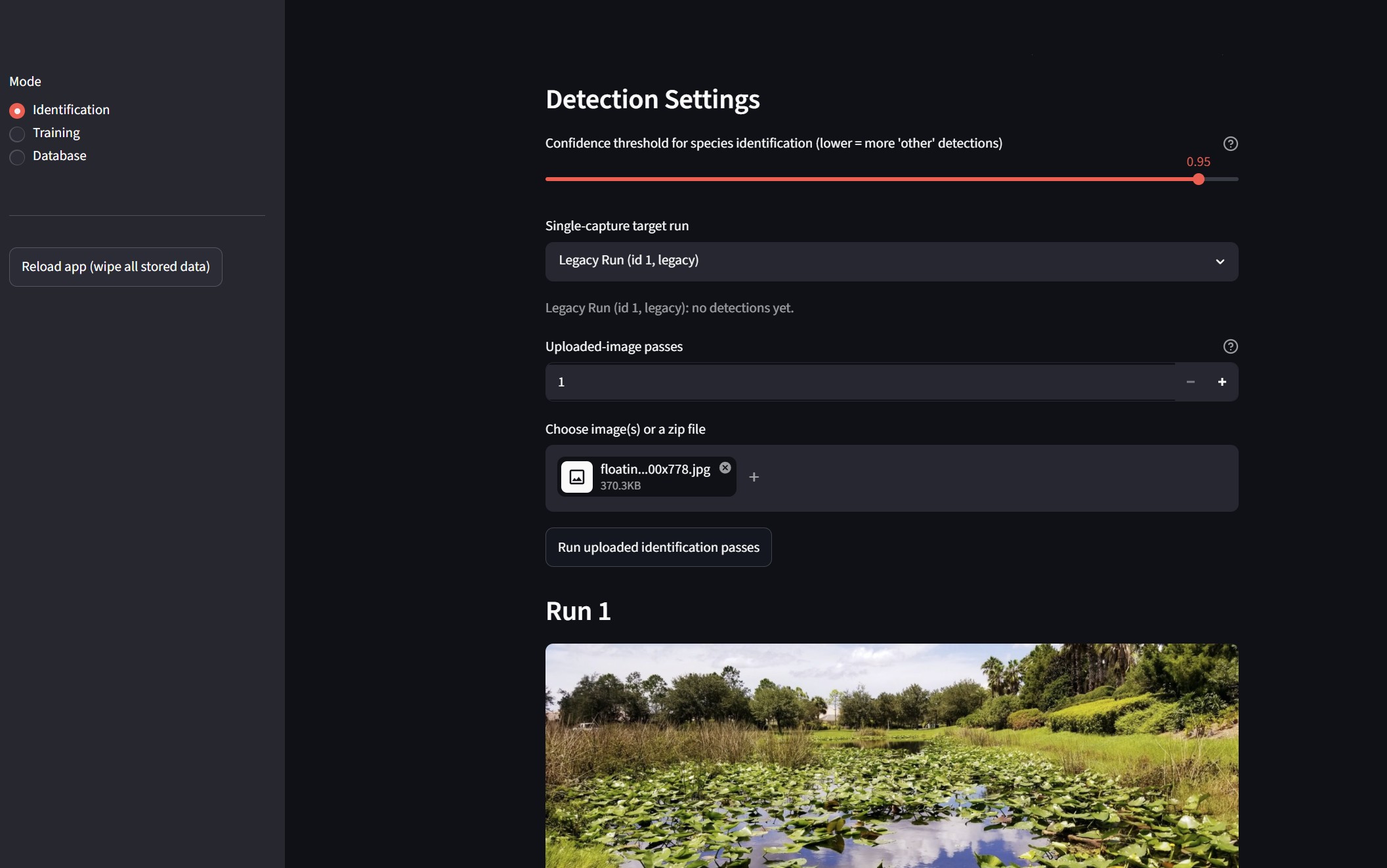
AI Identification and Mapping of Invasive Aquatic Plants
This project develops an AI-based system using a convolutional neural network to identify aquatic plant species from images, particularly distinguishing...
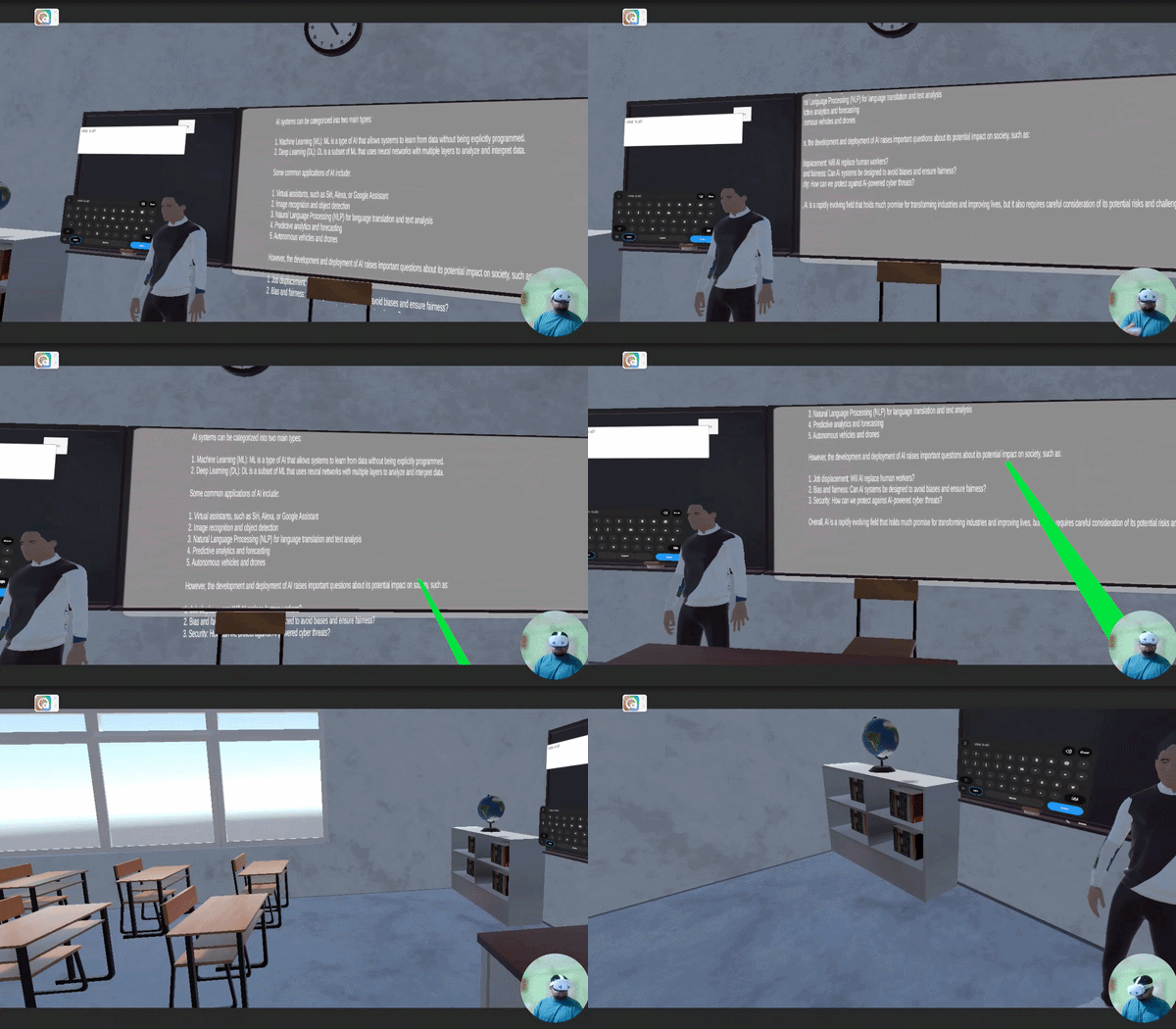
An Immersive Virtual Reality Learning System with an LLM-Integrated Conversational Avatar for Real-Time Educational Assistance
This project develops an immersive VR learning system integrated with an LLM-powered conversational avatar for real-time educational assistance. The system...
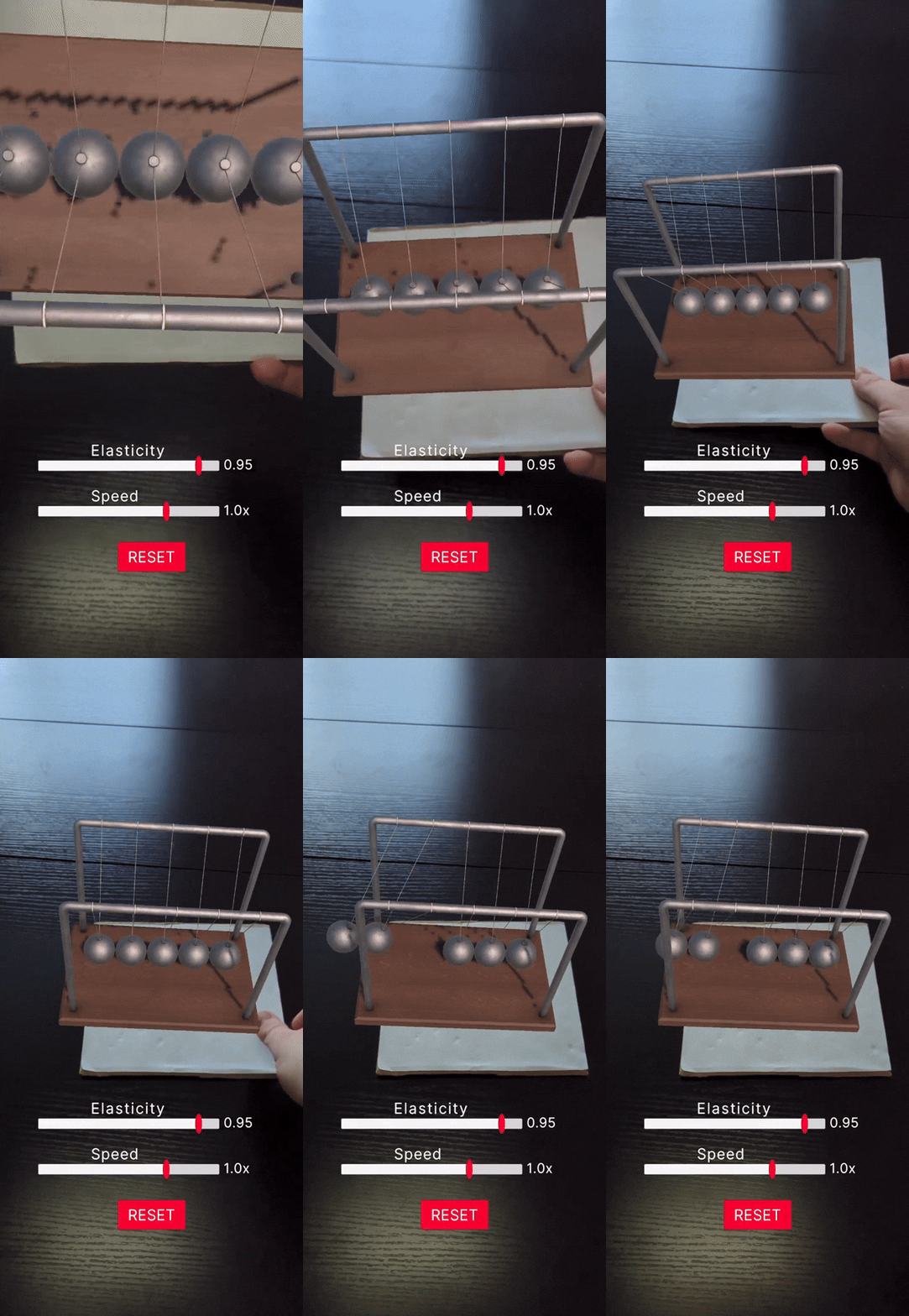
Development of an Interactive AR-Based Educational Application for Demonstrating Newton's Cradle Motion
This project presents the development of an interactive augmented reality (AR) application designed to demonstrate the motion of a Newton's...
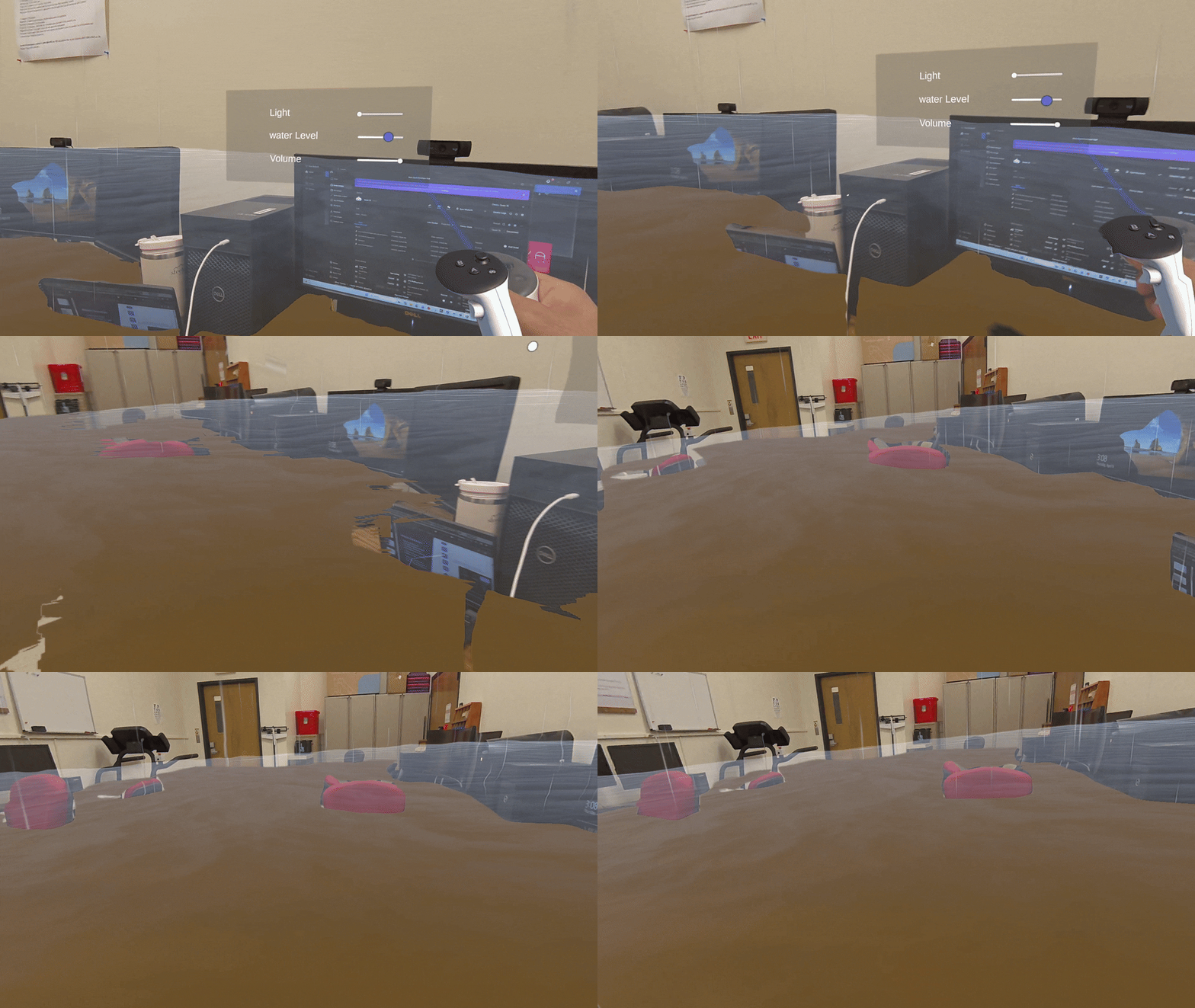
Advanced Mixed Reality Training for First Responders in Hurricane Scenarios
This project develops and evaluates an advanced Mixed Reality (MR) training platform for hurricane and flood response, aimed at enhancing...